
Teeth Whitening
Teeth Whitening and Bleaching Tooth color can change over time due to aging, food and...
Whitening Solutions
Teeth Whitening and Bleaching Tooth color can change over time due to aging, food and...
Whitening Solutions
Dental Filling Treatment & Aesthetic Dentistry Restoring Damaged Teeth with Dental Fillings Tooth decay, fractures,...
Filling Solutions
Dentist & Endodontics Clinic Endodontics and Root Canal Treatment Root canal treatment is an important...
Endodontic Solutions
Restore your missing teeth permanently and naturally with our advanced dental implant solutions.
Implant Solutions
Transform your smile instantly with minimally invasive porcelain laminate veneers.
Veneer Solutions
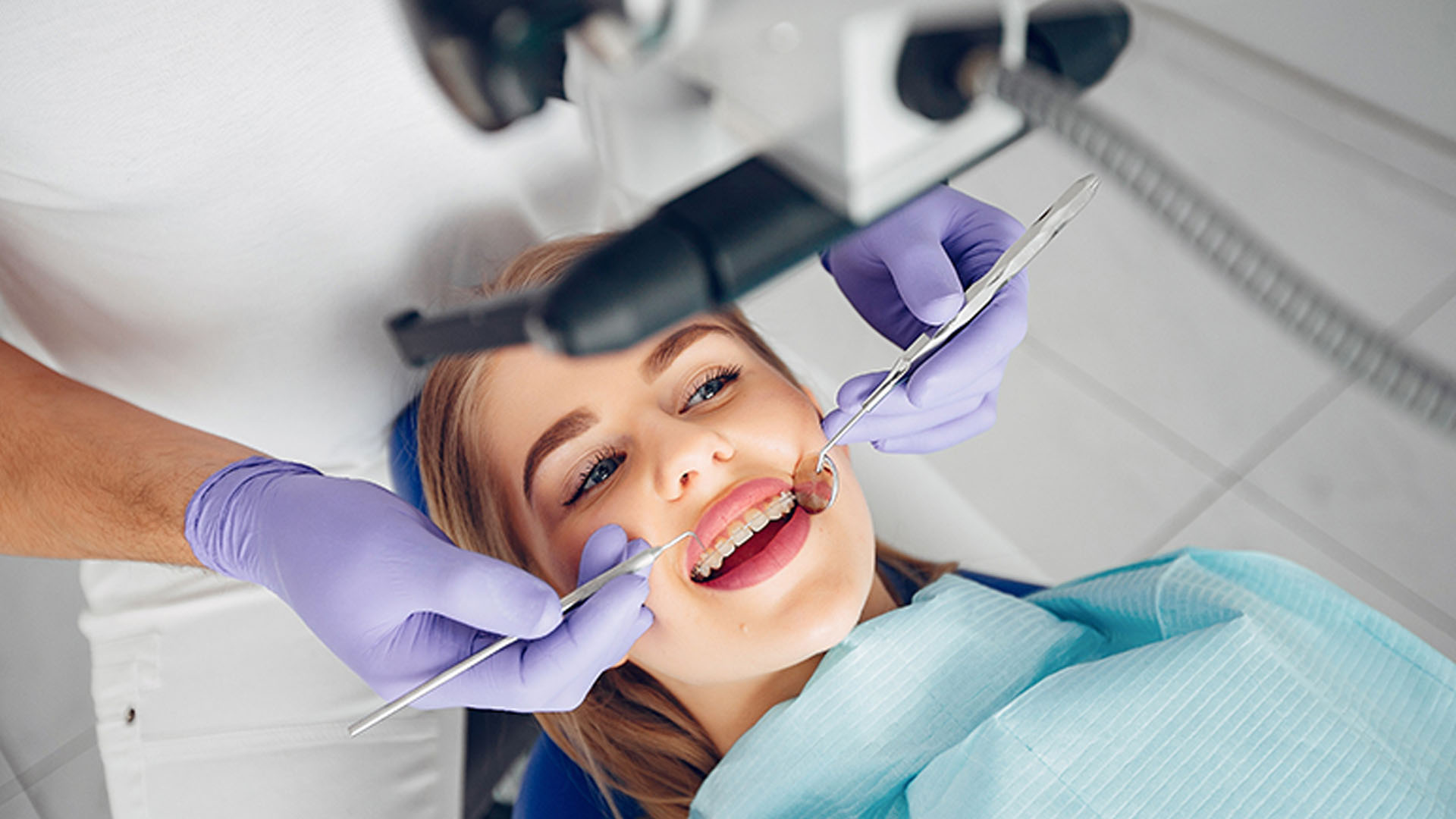
Straighten your teeth and correct your bite with our personalized orthodontic treatments.
Orthodontic Solutions
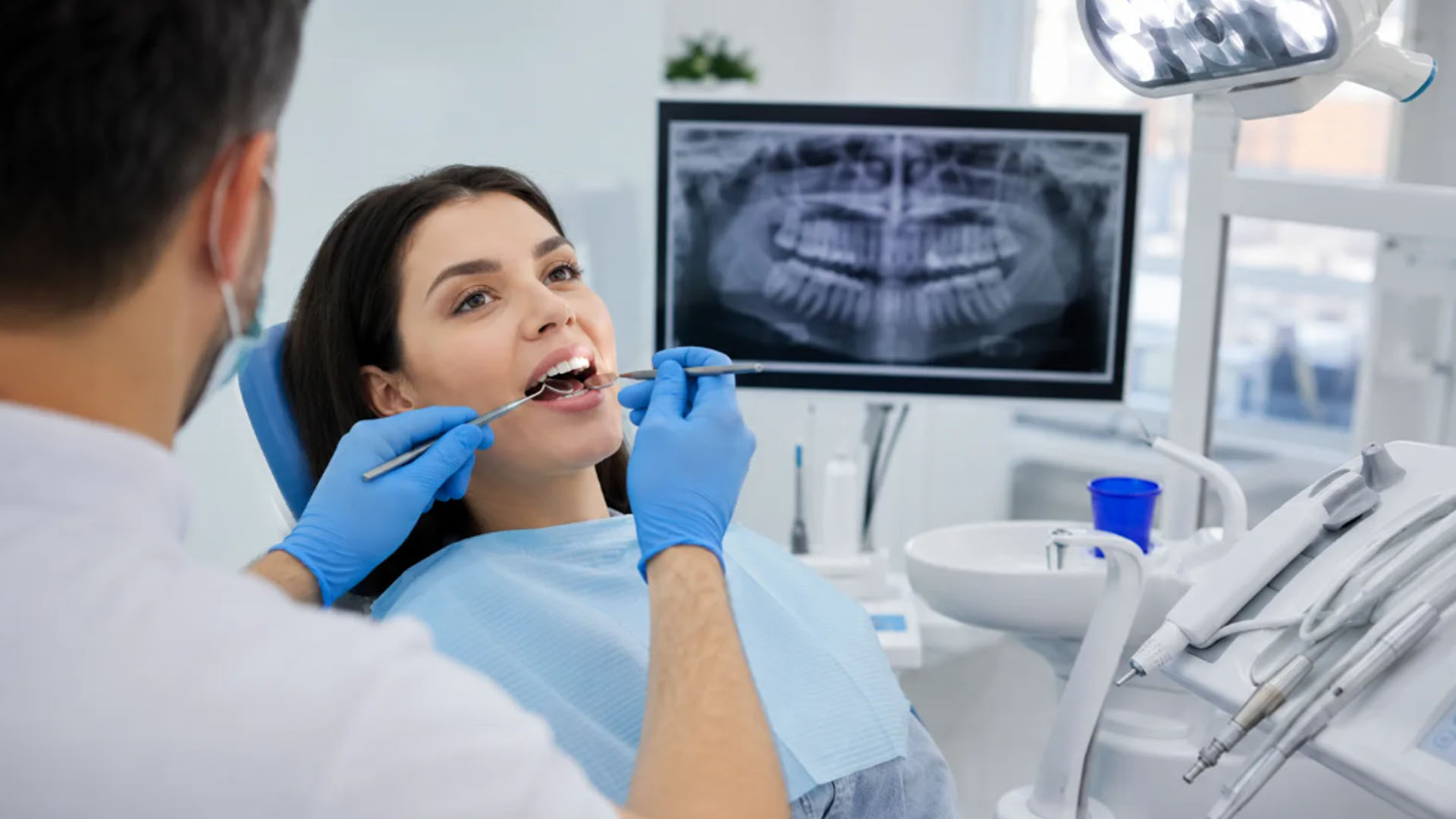
Panoramic X-Ray & Dental Clinic Panoramic X-Ray for an Overall View of the Teeth and...
Imaging Solutions
Pediatric Dentistry & Children's Dental Care Pediatric Dentistry for Children's Oral and Dental Health Pediatric...
Pediatric Solutions
Periodontology & Gum Treatments Periodontology for Healthy Gums and Supporting Tissues Periodontal examinations and treatments...
Gum Disease Solutions
Porcelain Dental Restorations Porcelain Dental Restorations for Natural Appearance and Function Porcelain dental restorations are...
Crown Solutions
Straighten your teeth invisibly and comfortably without traditional metal braces.
Invisalign Solutions
Achieve a flawless, natural-looking smile with highly durable and aesthetic zirconium crowns.
Zirconium SolutionsDiscover Sahra Dent, offering comprehensive oral and dental health services in a comfortable and reliable environment for patients in and around Sultangazi.
Sahra Dent is an Oral and Dental Health Clinic in Sultangazi, Istanbul, prioritizing patient satisfaction and treatment quality. The SahraDent brand offers a wide range of services under one roof, from check-ups to advanced treatments, with modern technology and an experienced dental team. As Private Sahra Dent, our priority is creating personalized treatment plans for every patient.
Our Sahra Dent Sultangazi branch is conveniently located in Ismetpasa District. We aim to be a trusted choice among Sultangazi Dental Clinics for patients seeking dental care. Every treatment in our clinic is conducted under protocols prioritizing patient comfort and safety.
At Sahra Oral and Dental Health Clinic, we offer services ranging from tooth decay treatment and gum care to implants, orthodontics, aesthetic dentistry, and pediatric dentistry. As every patient's dental needs differ, a detailed examination prior to treatment is essential.
Patients looking for a dental clinic in Sultangazi can find detailed information about our clinic on this page. You can also follow our clinic and patient experiences on social media.
The Sahra Dent® brand is officially registered under registration number 2025/132528 at the Turkish Patent and Trademark Office. This registration is a formal guarantee of our brand's authenticity and corporate identity. We continue to deliver high service standards based on this trust.
Contact us to book an appointment or get information about treatments at Sahra Dent clinic.
Follow us on social media: Instagram | Facebook | YouTube | View on Google Maps
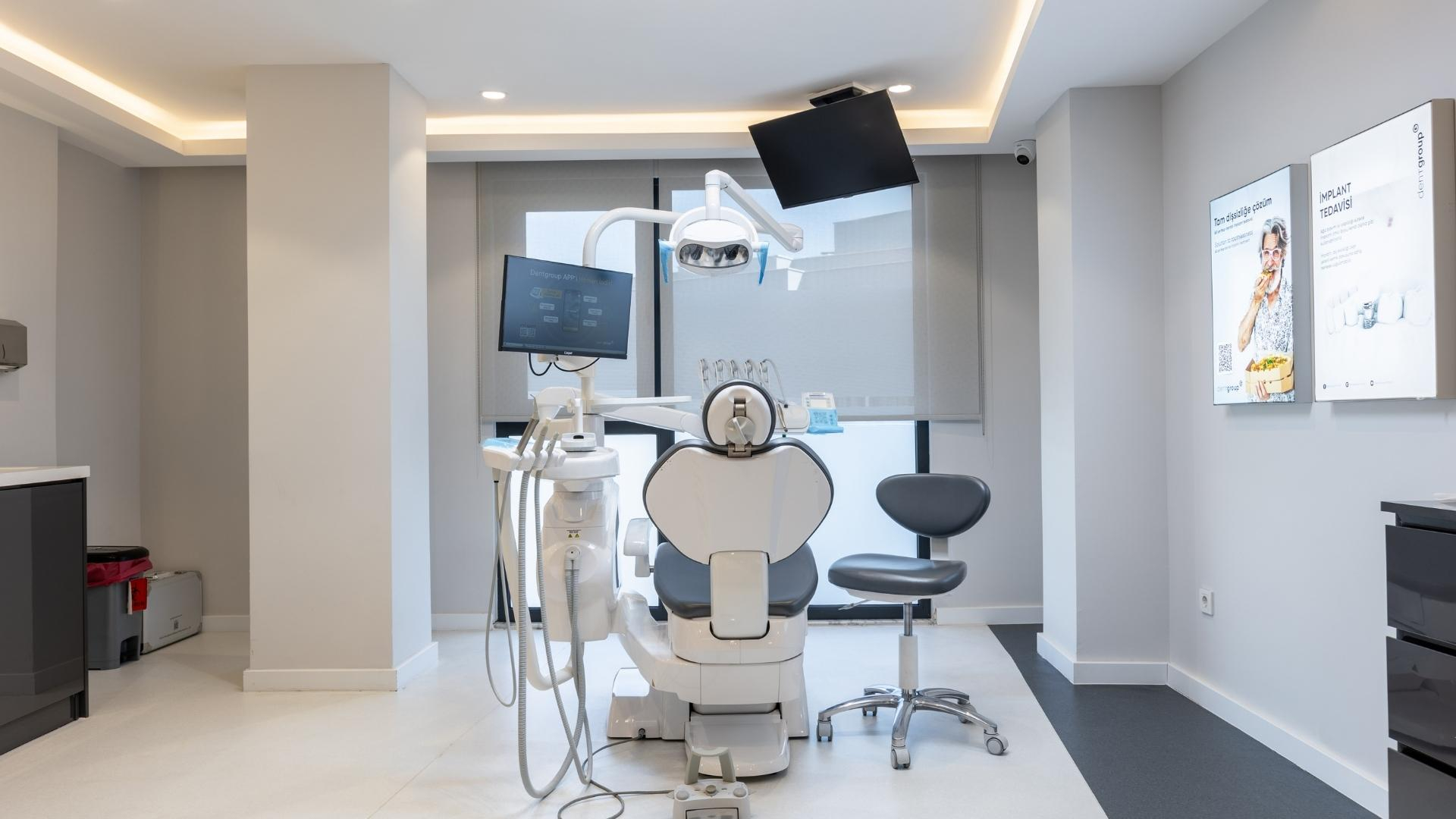
Comfortable dental clinic service equipped with modern technology in Ismetpasa.
A trusted dental health brand registered with Turkish Patent authority.
A wide range of services from general treatments to implants and orthodontics.
As an Istanbul-based dental health polyclinic, we offer top-quality dental solutions in all districts of Istanbul with state-of-the-art technological facilities and our expert staff.
Answers to all the questions you may have before getting dental treatment, implants, zirconium, and smile design in Istanbul.
In dental implant treatment, the evaluation goes beyond just the area of the missing tooth. The patient's overall health status, quantity and quality of jawbone, gum health, oral hygiene, smoking habits, and systemic conditions are all considered together. Insufficient bone density does not automatically mean an implant cannot be placed, as bone grafting procedures may be considered for suitable candidates. However, since treatment suitability and technique vary from person to person, a final decision can only be made following a clinical examination and radiological imaging.
Not all oral and dental diseases cause pain in their early stages. A small cavity, early-stage gum disease, or a problem developing beneath an old restoration may go unnoticed by the patient. The purpose of regular dental check-ups is not only to treat a tooth that hurts, but to detect potential problems as early as possible. Early diagnosis can allow for more conservative and minimally invasive treatments in many cases.
Baby teeth are not merely temporary teeth. They play crucial roles in a child's nutrition, speech development, jaw growth, and in maintaining space for the permanent teeth that will erupt later. Untreated cavities in primary teeth can progress, causing severe pain and infection. Therefore, leaving a decayed baby tooth untreated under the assumption that "it will fall out anyway" is not correct. An appropriate treatment plan is created within pediatric dentistry by evaluating the child's age, the expected time for the tooth to fall out, and the extent of the decay.
Clear aligner treatments can be used today to address many orthodontic problems. However, not all crowding issues are identical, and not every patient may be suitable for clear aligners. The current position of the teeth, bite relationship, jaw structure, and the necessary tooth movements are carefully examined through an orthodontic evaluation. In appropriate cases, clear aligners represent a key option due to their aesthetic appeal and removability. For more complex conditions, alternative orthodontic treatments may be recommended.
Professional teeth whitening procedures are controlled treatments when performed with proper patient selection and correct application. Temporary tooth sensitivity may occur in some individuals following the procedure. Since not all types of discoloration can be eliminated using the same method, a thorough dental examination must be performed prior to whitening. Any existing cavities, gum issues, sensitivity, or current restorations need to be evaluated beforehand. Furthermore, it should be kept in mind during treatment planning that fillings and crowns do not whiten like natural teeth.
Zirconia restorations can be considered in cases with high aesthetic expectations, severely discolored teeth, teeth with significant structural loss, or when existing restorations need replacement. However, placing crowns on every healthy tooth solely to achieve whiter teeth is not a correct approach. It is essential to evaluate the patient's tooth structure, bite, aesthetic expectations, and available treatment options to create a treatment plan that is as conservative as possible.
It is not accurate to provide a definitive lifespan for dental implants that applies to everyone. Success depends on correct planning and application, alongside factors such as the patient's oral hygiene, regular check-ups, gum health, smoking habits, systemic health condition, and the biting forces exerted on the implant. After the implant treatment is completed, regular care is required just as with natural teeth. Routine check-ups are essential for the early detection of potential gum and bone issues around the implant.
The duration of dental implant treatment varies for each patient. In some cases, a healing period is required for the implant to integrate with the jawbone after placement, whereas different loading protocols may be applied for suitable candidates. Factors such as tooth extraction requirements, bone volume, the number of implants, and the need for additional procedures like bone grafting all influence the overall timeline. Therefore, a precise answer to how long the process will take can only be provided after a clinical examination and imaging.
When a filling falls out, the exposed area of the tooth can become sensitive to hot, cold, and food. There is also a risk of food debris accumulating in the open space and causing further breakage of the tooth structure. Even if there is no pain, a lost filling should not be left untreated for a long time. The dentist will first evaluate the remaining tooth structure and the area of the lost filling. If the tooth is suitable, a new filling can be placed; if there is significant tooth loss, alternative restorative options may be considered.
Since dental implant surgery is typically performed under local anesthesia, pain is controlled during the procedure. Following the treatment, mild pain, swelling, or sensitivity may occur, depending on individual tolerance and recovery. The complexity of implant treatment can vary based on the number of implants being placed, bone density, and whether additional surgical procedures are required. Conducting a detailed examination and imaging prior to treatment is essential to properly inform the patient about the process.
Dental implants and dental bridges are different treatment options for replacing a missing tooth. One of the main advantages of implant treatment is that it replaces the missing area without modifying adjacent teeth. In bridge treatment, support is taken from the teeth neighboring the gap. However, the same method is not suitable for every patient. Factors such as bone volume, gum health, status of adjacent teeth, overall health, medications, oral hygiene, and patient expectations must be evaluated. The best option is determined after a personalized examination and dental imaging.
A loose tooth does not always mean it must be extracted. Gum disease, bone loss, trauma, infection, or excessive force on the tooth can cause mobility. Whether the tooth can be saved depends on the level of bone support, presence of infection, degree of mobility, and overall structure of the tooth. In suitable cases, it may be possible to preserve the natural tooth through periodontal treatments and other procedures. Therefore, a thorough evaluation should be performed before making a decision to extract a loose tooth.
Gum recession can occur due to various reasons, including gum disease, aggressive or improper brushing, traumatic factors like teeth grinding, tooth positioning, and individual anatomical features. As a result of recession, tooth roots may become exposed, leading to sensitivity. Treatment is determined based on the cause and severity of the recession. First, the underlying factors driving the progression must be brought under control. While conservative protective approaches are sufficient in some cases, periodontal surgical options may be evaluated in others.
Some of the key causes of persistent bad breath can originate inside the mouth. Tartar accumulation, gum diseases, untreated tooth decay, infected teeth, buildup on the tongue surface, and inadequate oral hygiene can lead to unpleasant odor. To determine the source of bad breath, a dental and gum examination is a useful first step. If no dental cause is identified, other underlying medical causes may need to be evaluated. Simply using mouthwash usually does not provide a permanent solution unless the root problem is treated.
Continuous bleeding while brushing or flossing should not be considered normal. One of the most common causes is bacterial plaque and tartar accumulation around the gums. In the early stages of gum disease, redness, swelling, and bleeding can occur. As gum problems progress, they are not limited to bleeding alone and can also affect the tissues supporting the tooth. The goal is to keep the process under control with regular oral care, professional dental cleaning, and, when necessary, periodontal treatments.
Even though the nerve tissue inside a root canal-treated tooth is removed, the surrounding tissues around the tooth remain alive. For this reason, mild pressure and chewing sensitivity may occur for a short period following treatment. However, pain that recurs in a tooth that received root canal treatment long ago can be attributed to various reasons. Possibilities such as an infection at the root tip, an issue within the root canal system requiring retreatment, leakage in the restoration, or a tooth fracture must be evaluated. In such cases, the tooth needs to be re-examined through X-rays and clinical evaluation.
Severe toothache, swollen gums, facial swelling, tenderness when pressing on the tooth, and a bad taste or odor can all be signs of a dental infection. In some cases, fever and general fatigue may also accompany these symptoms. A tooth abscess should never be viewed as a condition that heals on its own. A reduction in pain does not necessarily mean the infection has disappeared. Urgent medical evaluation is required without delay, particularly if you experience rapidly spreading swelling in the face or neck, fever, or difficulty swallowing and breathing. A dental examination will determine the source of the infection and outline the appropriate
Not every throbbing tooth requires a root canal treatment. However, spontaneous pain, pain that intensifies particularly at night, lingering sensitivity after hot or cold exposure, or discomfort requiring painkillers may indicate that the living tissue inside the tooth is affected. The decision for a root canal is never made based solely on the description of the pain. A clinical examination, vitality tests, and X-ray evaluations are conducted together. If irreversible damage or infection is detected in the tooth's nerve tissue, a root canal is performed to save the natural tooth in the mouth.
Sudden tooth sensitivity when drinking cold water, consuming hot tea or coffee, or eating sweets can stem from several causes. Enamel wear, receding gums, tooth decay, old or ill-fitting fillings, and cracked teeth can all lead to sensitivity. If the sharp discomfort passes within a few seconds, it may be simple tooth sensitivity; however, lingering pain or pain that occurs spontaneously could indicate that the dental pulp is affected. Therefore, a professional dental check-up is recommended for persistent hot and cold sensitivity.
It is a common complaint that a toothache felt mild during the day becomes significantly more pronounced at night. Pulsating pain can occur particularly due to deep cavities, nerve irritation, infections, or abscesses. Lying down increases blood pressure in the head area, which can make the pain feel much more intense. Trying to manage night-time tooth pain solely with painkillers does not resolve the root cause. A dental evaluation and X-rays are necessary to identify the problem and determine whether a filling, root canal, or another treatment is required.

A comprehensive guide on post-operative care, oral hygiene, and diet after dental implant surgery.
Read More
Discover why zirconium crowns are the most popular choice for natural-looking and durable dental restorations.
Read More
Proper brushing techniques are essential for preventing cavities and maintaining healthy gums.
Read More